

Building Buyer Trust in Nigeria: Proof, Policies, and Post-Purchase Care
In Nigeria, online shopping decisions are often driven by one question: “Can I trust this seller?” With fraud concerns, inconsistent logistics, and payment anxiety, trust becomes a growth strategy—not just a brand value. The good news is that trust is built through repeatable systems: proof, clarity, responsiveness, and reliable fulfillment.
This guide breaks down the most effective trust builders for Nigerian online stores and shows how to implement them in ways customers can feel immediately—from the first product view to post-delivery follow-up.
Why trust is the fastest conversion lever in Nigeria
Many buyers arrive already interested, but hesitate at checkout because they fear receiving the wrong item, getting blocked after payment, or facing unclear delivery timelines. When your store visibly reduces these risks, conversions rise without needing aggressive discounts.
Trust also reduces operational costs. Clear policies lower back-and-forth chats, better delivery communication reduces failed deliveries, and consistent post-purchase care reduces chargebacks, reversals, and negative reviews.
Start with credibility signals customers can verify quickly
Trust signals are the small “proof points” that reassure a buyer that your business is real, reachable, and accountable. The key is to make verification easy within seconds—especially on mobile.
Prioritize signals that Nigerian shoppers commonly look for:
- Real business identity: business name consistency across website, Instagram, and payment descriptor; CAC/BN number if available.
- Reachability: a working phone number, WhatsApp link, and responsive support hours.
- Physical presence: pickup address, office location, or service area (even if you are primarily online).
- Human proof: team photo, founder note, behind-the-scenes fulfillment videos, and real customer deliveries.
Place the most important signals where hesitation peaks: product page (near Add to Cart), cart page, and checkout.

Design product pages to remove doubt (not just look beautiful)
Product pages often fail not because of price, but because of uncertainty. Your job is to answer the questions a cautious buyer won’t ask out loud.
Use a structured product page that consistently includes:
- Clear specifications: size, color, material, compatibility (for electronics), and what is included in the box.
- Multiple real photos: show angles, labels, and scale; add a short video if possible.
- Availability truth: if an item is “pre-order” or “ships in 2–4 days,” say it plainly.
- Price transparency: highlight what affects final cost (delivery region, weight, variants).
Example: If you sell perfumes, include batch authenticity notes, longevity expectations, and what buyers should do if the seal is broken. If you sell phones, state warranty type (store warranty vs manufacturer), return window for defects, and what counts as “used.”
Offer payment options that feel safe (and explain them)
Payment fear is a major cause of abandonment. Nigerian buyers often prefer options that reduce perceived risk—especially for first-time purchases.
Combine multiple methods so customers can choose what feels safest:
- Pay on delivery (where feasible): best for first-time buyers, but control risk with partial deposits, limited locations, or order verification calls.
- Bank transfer: popular, but requires strong reconciliation (auto-matching, reference codes) and instant confirmation messaging.
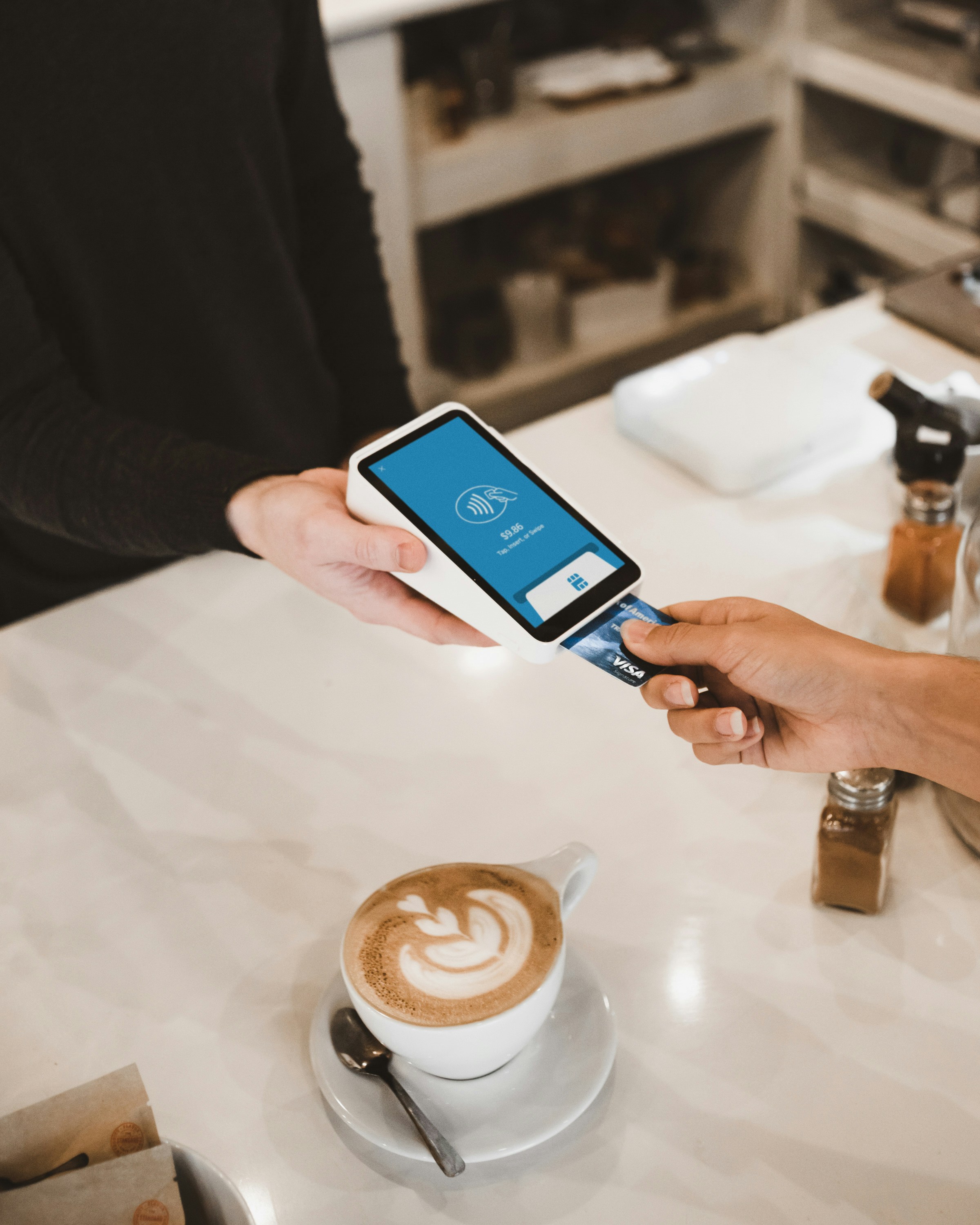
- Card/USSD: increases speed and scale; ensure the checkout looks professional and loads fast.
- Wallets and installments (optional): for higher-ticket items, offer split payments where available.
Most importantly, explain what happens after payment: confirmation SMS/email, expected processing time, and who to contact if a receipt isn’t received within a defined window (for example, 10 minutes).
Make delivery predictable with simple, visible logistics rules
Unclear shipping destroys trust. Buyers want to know: “When will it arrive, who delivers it, and what if I miss the rider?”
Set expectations with a simple delivery framework:
- Coverage map: Lagos mainland/island zones, Abuja areas, and nationwide options.
- Delivery timelines by region: for example, 24–48 hours in-city, 2–5 days nationwide.
- Same-day rules: cutoff time (e.g., orders before 12pm), eligible areas, and surge pricing if applicable.
- Tracking and updates: proactive WhatsApp/SMS updates at dispatch and arrival.
To reduce failed deliveries, confirm landmarks and phone numbers at checkout, and allow buyers to choose a delivery window (morning/afternoon/evening) when possible.
Write policies for humans (and place them where decisions happen)
Policies build trust only when customers can understand them quickly. Avoid legal-heavy blocks of text and instead use short sections with examples.
At minimum, create and link these policies from product pages and checkout:
- Returns and exchanges: window (e.g., 3/7/14 days), item condition rules, and who pays return shipping.
- Damaged/incorrect items: how to report (photos/video), timeline for reporting, and resolution options.
- Warranty (if applicable): what is covered, duration, and process.
- Cancellations: cutoff time for same-day orders and how refunds are handled.
Example wording that works: “If you receive the wrong size, we will exchange it within 7 days as long as the tag is intact and the item is unused. Send an unboxing video within 24 hours of delivery.” This sets clarity and prevents disputes.
Use social proof that looks real, not staged
Nigerian shoppers heavily rely on peer validation. But generic testimonials can backfire if they look copied or too perfect. Use proof that is specific, recent, and traceable.
- Verified reviews: collect ratings after delivery via WhatsApp or email; display date and product purchased.
- Photo/video reviews: incentivize with small coupons or free delivery on next order.
- Delivery confirmations: with customer consent, post “delivered” stories showing packaging and dispatch slips (hide personal data).
- Influence through micro-creators: partner with niche reviewers who demonstrate product use, not just unboxing.
Pin a “Customer Proof” highlight on Instagram and link it on your site. The objective is to reduce the mental effort required to believe you.
Post-purchase care: where repeat customers are made
Many stores stop communicating after delivery. That silence can feel suspicious. Post-purchase care signals accountability and improves retention.
Implement a simple post-purchase flow:
- Order confirmation: immediately, with an order number and summary.
- Dispatch message: when handed to rider/courier, with ETA and contact line.
- Delivery follow-up: within 24 hours: “Did it arrive in good condition?”
- Review request: 2–5 days later, depending on product type.
- Reorder reminder: for consumables, based on expected usage cycle.
Customer support should be structured: define response times (e.g., “Replies within 30 minutes from 9am–6pm”) and use templates for common issues (wrong address, delayed rider, payment mismatch, stock substitution).

Operational habits that quietly increase trust
Even the best branding fails if operations are sloppy. Trust is reinforced when customers experience consistency: same packaging quality, same delivery discipline, same tone of communication.
- Standardize packing: branded tape or thank-you card, protective materials, and a checklist for accuracy.
- Use unboxing video guidance: request customers record unboxing for dispute resolution.
- Reduce substitutions: if stock changes, message buyers with options rather than forcing replacements.
- Document everything: dispatch logs, rider handover notes, customer communication history.
These systems make it easier to resolve issues fairly, which is the fastest way to turn complaints into loyalty.
Measure trust like a growth metric
Trust shows up in numbers. Track these weekly to see where confidence drops:
- Checkout conversion rate: rising trust often increases this even without more traffic.
- Abandoned cart reasons: collect via exit surveys or WhatsApp follow-up.
- Refund/return rate: high rates may indicate misleading product pages or weak QA.
- Delivery success rate: percentage delivered on first attempt.
- Repeat purchase rate: the clearest indicator of earned trust.
Run simple A/B changes: adding a returns summary at checkout, showing delivery ETA earlier, or highlighting payment protection. Keep what improves conversion and reduces complaints.
Quick trust checklist you can implement this week
- Add a visible WhatsApp support button and state response hours.
- Publish clear delivery timelines by city/region and link them at checkout.
- Write a short returns/exchange policy with examples (and pin it).
- Collect 10 verified reviews and display them on best-selling product pages.
- Send dispatch + delivery follow-up messages for every order.
- Standardize packaging and include a simple “How to report an issue” card.
When Nigerian shoppers feel protected, they buy faster, complain less, and recommend more. Trust is not a slogan—it is a set of visible promises backed by consistent execution.


0 Comments
1 of 1