
Stablecoins in Nigeria: Practical Ways to Save, Pay, and Protect Value
Stablecoins have become one of the most practical blockchain tools for everyday people because they combine the speed of crypto with prices that are designed to stay relatively steady (often tracking the US dollar). In Nigeria, where many individuals and small businesses face inflation pressure, FX uncertainty, and costly international payments, stablecoins can offer a useful alternative for storing value and moving money quickly.
This article explains what stablecoins are, how Nigerians use them in real life, and how to reduce common risks like scams, network mistakes, and hidden fees. It also provides step-by-step guidance you can apply immediately.
What Stablecoins Are (and Why They Matter Locally)
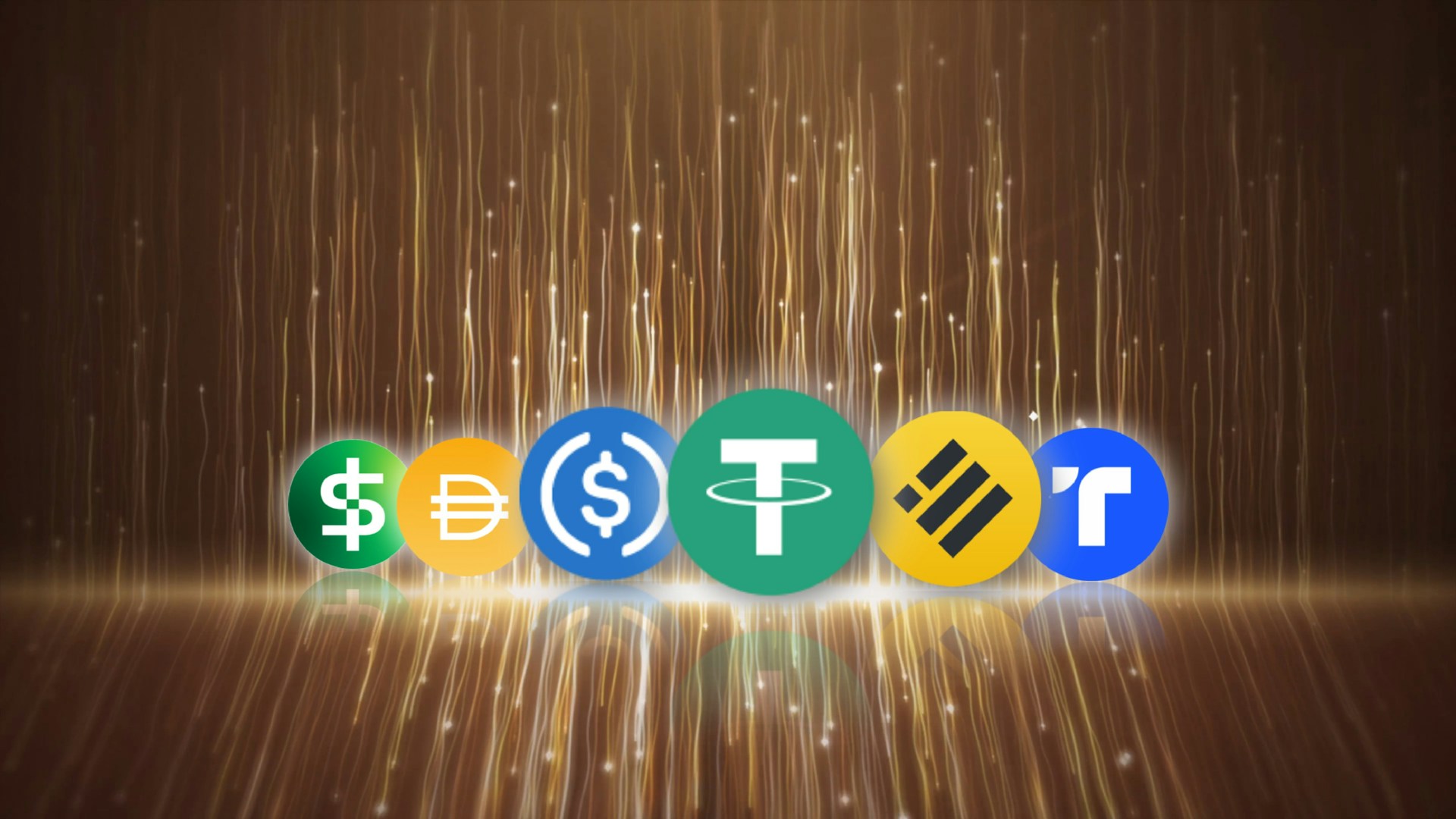
A stablecoin is a token on a blockchain that aims to maintain a consistent value, typically pegged to a currency like the US dollar. The best-known examples are USD-backed stablecoins such as USDT and USDC, which are widely used for transfers and settlement.
In Nigeria, stablecoins matter because they address a few recurring problems: preserving purchasing power when the naira weakens, enabling faster cross-border payments for freelancers and importers, and providing easier digital settlement for communities that already operate online.
- Price stability: Compared with volatile assets, stablecoins are intended to reduce sudden swings.
- Speed: Transfers can complete in minutes, depending on the network used.
- Accessibility: Anyone with a smartphone can hold and send stablecoins using a self-custody wallet.
Common Use Cases in Nigeria
Stablecoins are not only for trading. Many Nigerians use them as digital dollars for everyday financial workflows. The key is choosing a use case that matches your risk tolerance and your compliance needs.
1) Saving in a dollar-like asset Many people convert a portion of income into stablecoins to reduce exposure to naira depreciation. Rather than keeping everything on an exchange, some users store stablecoins in self-custody wallets for greater control.
2) Getting paid as a freelancer or remote worker Cross-border payments can be slow and expensive. Stablecoins allow faster settlement, and you can later convert to naira through reputable P2P markets or regulated providers where available.
3) Paying suppliers and contractors Small businesses sometimes pay international vendors in stablecoins to reduce wire delays. Local contractors may also accept stablecoins as a settlement method when both parties agree on pricing and conversion.
4) Remittances Friends and family abroad may send stablecoins directly to a wallet address. Recipients can choose when to convert based on rate and need.
Choosing a Stablecoin: What to Look For
Not all stablecoins carry the same risk. Some are backed by reserves (like cash and short-term government securities), while others use algorithmic mechanisms. For everyday users, reserve-backed stablecoins with strong transparency tend to be more straightforward to evaluate.
- Transparency: Look for frequent reserve attestations or audits published by reputable firms.
- Liquidity: A stablecoin that is widely traded is easier to convert at fair rates.
- Track record: Longer operating history and fewer de-pegging events can be a positive signal.
- Chain availability: Ensure it exists on the network you plan to use to avoid risky bridging.
If your primary goal is payments and transfers, prioritize broad acceptance and predictable fees over niche features.
Picking the Right Network to Reduce Fees and Mistakes
The same stablecoin can exist on multiple networks. This is where many costly errors happen: sending USDT on the wrong network can lead to delayed recovery or permanent loss. Always match the token and network on both the sending and receiving side.
Practical network selection tips:
- For low fees: Choose networks known for cheaper transfers when supported by both parties.
- For maximum compatibility: Some networks are more widely supported across wallets and services.
- For reliability: Prefer networks with stable uptime and clear transaction tracking.
Before sending a large amount, do a small test transaction and confirm receipt. This one habit prevents most irreversible mistakes.

Step-by-Step: A Safer Way to Start Using Stablecoins
If you are new, focus on minimizing risk rather than optimizing profits. Your first goal should be understanding wallets, addresses, and basic security.
- Choose a reputable wallet: Use a well-known self-custody wallet with strong reviews and regular updates.
- Secure your recovery phrase: Write it down offline and store it in a safe place. Do not save it in screenshots or cloud notes.
- Enable device security: Use PIN/biometrics and keep your phone OS updated.
- Buy a small amount first: Use a trusted on-ramp or P2P marketplace with clear dispute processes.
- Send a test transfer: Verify the receiving address and network, then confirm the funds arrived.
As your comfort grows, you can split holdings across a self-custody wallet and a reputable platform for liquidity. Avoid keeping all funds in one place.
How Nigerians Lose Money with Stablecoins (and How to Avoid It)
Stablecoins reduce price volatility, but they do not remove operational risk. Most losses happen due to user error or fraud, not because the stablecoin moved in price.
- Wrong network transfers: Always confirm the network name on both ends and do a test transaction.
- Fake support agents and phishing links: Never share your recovery phrase. Real support will not ask for it.
- P2P scams: Use platforms with escrow, verify payment confirmation properly, and follow platform rules.
- Over-trusting “too good to be true” yields: Be cautious with promises of guaranteed high returns on stablecoins.
- Address swapping malware: Double-check the first and last characters of the pasted address before sending.
A good rule: if someone pressures you to act fast, pause and verify independently. Speed is the scammer’s advantage.
Taxes, Compliance, and Record-Keeping
Regulatory expectations can change, and different users have different obligations depending on income type and business structure. Regardless, good records protect you. Keep simple logs of dates, amounts, counterparties, and conversion rates.
Practical record-keeping checklist:
- Transaction hash and date
- Stablecoin type and network
- Purpose (salary, invoice payment, remittance, savings)
- Exchange rate used when converting to naira
- Fees paid (network and service fees)
For businesses, treat stablecoin receipts like any other payment method: issue invoices, record revenue, and separate personal from business wallets.
Actionable Tips for Minimizing Fees
Fees can quietly eat into transfers, especially if you move small amounts frequently. A few operational tweaks can make a meaningful difference.
- Batch transfers: Instead of many small sends, consolidate when appropriate.
- Use the cheapest supported network: Confirm both sender and receiver support it before choosing.
- Watch for spread, not just fees: A “zero fee” offer can hide cost in poor exchange rates.
- Time conversions: Rates can vary across providers and times of day; compare before converting.
Where Stablecoins Fit in a Balanced Financial Plan
Stablecoins can be a tool, not a complete plan. Consider them as part of a broader approach that might include emergency cash, traditional savings, and investments aligned with your goals. If your objective is preserving value, stablecoins can help, but you still need to manage counterparty risk (platform risk), self-custody risk (loss of keys), and market access risk (ability to convert when needed).
A practical approach many people take is to allocate only what they can manage responsibly, spread holdings, and prioritize security practices over chasing yields.
Conclusion
Stablecoins have become a significant blockchain use case in Nigeria because they solve real problems: value storage, faster payments, and simpler cross-border settlement. If you choose reputable stablecoins, use the correct networks, keep strong security hygiene, and maintain clear records, you can benefit from stablecoins without taking unnecessary risk.
Start small, do test transfers, and treat every step like moving real cash—because it is.


0 Comments
1 of 1